1

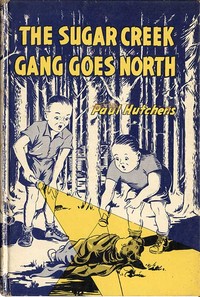
The Sugar Creek Gang Goes North — Background and Themes
(0 User reviews)
1211
Project Gutenberg
2018
Not confirmed
Christian life -- Juvenile fiction; Camping -- Juvenile fiction; Kidnapping -- Juvenile fiction; Adventure and adventurers -- Juvenile fiction; Minnesota -- Juvenile fiction
Readers of public-domain and historical texts
Project Gutenberg digital edition
en
Edition facts
Words
28,640
Reading time
125 min
Text sections
14
The Sugar Creek Gang Goes North — Background and Themes can be approached with a clearer sense of reading commitment from its source measurements: 28,640 words, 2 hr 5 min estimated reading time, and 14 detected text sections.
The text analysis averages about 26.6 words per sentence, while the detected sections provide another way to judge how the source is divided.
Project Gutenberg metadata also associates the work with “Christian life -- Juvenile fiction,” connecting these edition facts with the source record’s subject description.
Source:
Project Gutenberg record #56554
This editorial note examines the first-person narrative voice, colloquial style, and pacing shifts in Paul Hutchens' The Sugar Creek Gang Goes North, focusing on the storyteller's direct address to readers and the interplay between adventure and reflective campfire scenes.
Read the complete public-domain text at its original source.
Read on Project GutenbergThe Sugar Creek Gang Goes North opens with a first-person narrator who immediately establishes a conversational, almost breathless tone. The unnamed speaker—likely series regular Bill Collins—uses colloquial phrases like "Boy oh boy!" and directly addresses the reader with commands such as "Don't you dare skip even one page." This technique creates an intimate, urgent atmosphere, as if the story is being told aloud around a campfire. The narrator's tendency to foreshadow events—mentioning a kidnapped girl wrapped in an Indian blanket—while simultaneously warning against skipping ahead, sets up a tension between revelation and restraint that defines the book's pacing.
The Colloquial Storyteller's Voice
The narrative voice is consistently informal, marked by contractions, interjections, and a rambling sentence structure. Phrases like "I guess I never did get tired thinking" and "But here I go telling you" mimic spontaneous speech. The narrator frequently uses dashes and ellipses to create a sense of ongoing thought, as when he says, "and all the exciting things that happened on the way and after we got there, and especially after we got there." This repetition reinforces the oral quality. The voice also includes self-correction, as in "it was real fun, and also very exciting—especially that night when we ran kersmack into a kidnapper mystery." The word "kersmack" is a colloquial intensifier, typical of the gang's slang. Such linguistic choices ground the story in a specific regional and social context, emphasizing the boys' camaraderie and youthful energy.
Direct Address and Reader Engagement
The narrator repeatedly breaks the fourth wall, addressing the reader as "you" and issuing playful commands: "I hope you won't start turning the pages of this book real fast and read the mystery first, 'cause that wouldn't be fair." This direct engagement creates a pact between storyteller and audience, positioning the reader as a fellow member of the gang. The narrator also anticipates reactions, as when he says, "Say, I never had any idea that we would get to go back so soon." These asides serve to heighten suspense and build a sense of shared discovery. The technique is consistent throughout the excerpts, suggesting that the entire book maintains this interactive frame. It transforms reading into a collaborative experience, where the narrator controls the flow of information while acknowledging the reader's curiosity.
Pacing Through Embedded Stories and Reflection
The excerpts reveal a deliberate shift in pacing between action and reflection. The opening chapter promises high adventure—a kidnapping, a dark night, spooky sounds—but the narrative soon slows for a campfire scene where Little Jim tells a tall tale about Paul Bunyan. This story-within-a-story, delivered in Little Jim's "mouse-like voice," contrasts with the narrator's own energetic style. The tale is whimsical and detailed, describing a two-hundred-foot flashlight used to create northern lights. The narrator's reaction—"Well, it was a cute idea, and I wished I could think of something good"—shows a moment of quiet competition among friends. This interlude demonstrates how Hutchens uses pacing to balance suspense with character development. The subsequent offer of a boat ride by Santa further shifts the tempo, moving from communal storytelling to individual adventure, suggesting a rhythm of group scenes followed by smaller, more intimate episodes.
Readers attentive to narrative voice will find that the book's energy derives not just from its plot but from the way the storyteller manages anticipation. The colloquial style and direct address create a sense of immediacy, while the embedded tales and reflective pauses offer breathing room. Pay attention to how the narrator's tone changes during moments of danger versus moments of camaraderie—these shifts are key to understanding the book's emotional landscape.
I remember sitting with The Sugar Creek Gang Goes North, lingering over those quiet campfire pauses between adventures, and finding myself thinking of Fighting Joe; Or, The Fortunes of a Staff Officer. A Story of the Great Rebellion — Reading Companion. Both have that unhurried voice, telling a story from the inside, as if the narrator were right there beside me, remembering along with me.
There are no reviews for this eBook.
There are no comments for this eBook.
Reader reflection
Record your reading impressions
A brief reflection can help important ideas stay with you longer.
Your progress
0
/
10
2
How did the book work for you overall?
3
Would you encourage someone else to read it?
4
How much effort did this book require?
5
How closely did the book connect with your experience?
6
How useful were the ideas in this book?
7
How clearly were the main ideas presented?
8
Did any part of the book stay with you emotionally?
9
Which lesson or insight stayed with you?
10