1

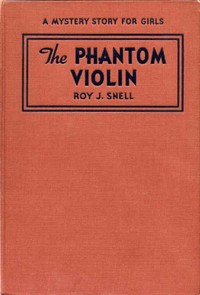
The phantom violin — Reading Notes
(0 User reviews)
1545
Project Gutenberg
2013
Not confirmed
Mystery and detective stories; Shipwrecks -- Juvenile fiction; Deep diving -- Juvenile fiction; Robinsonades; Salvage -- Juvenile fiction; Superior, Lake -- Description and travel -- Juvenile fiction
Readers of public-domain and historical texts
Project Gutenberg digital edition
en
Edition facts
Words
46,051
Reading time
201 min
Text sections
7
The phantom violin — Reading Notes can be approached with a clearer sense of reading commitment from its source measurements: 46,051 words, 3 hr 21 min estimated reading time, and 7 detected text sections.
The text analysis averages about 11.1 words per sentence, while the detected sections provide another way to judge how the source is divided.
Project Gutenberg metadata also associates the work with “Mystery and detective stories,” connecting these edition facts with the source record’s subject description.
Source:
Project Gutenberg record #44294
A mystery story for girls set on Lake Superior, where two young women encounter ghostly apparitions, phantom music, and a head hunter while camping on an island. The narrative weaves shipwreck salvage, deep diving, and a legendary green-eyed mansion into a Robinsonade-style adventure.
Read the complete public-domain text at its original source.
Read on Project GutenbergThe first chapter, “The Ship’s Ghost,” opens with Petite Jeanne bursting into a cabin, breathless and convinced that two men on a wrecked ship have mistaken her for a ghost. The scene immediately establishes a tone of eerie mystery: moonlight, a deserted wreck, and a white-clad figure rising from the deck. Florence, her companion, laughs but the tension lingers. The prose relies on sensory details—rattling chains, a scream from “Old Dizzy,” and the dark waters of Lake Superior—to create an atmosphere of suspense. This opening suggests that the story will balance supernatural suggestion with rational explanation, as the girls themselves question what they have seen.
The Wreck as a Stage
The wreck of a great ship, its prow rearing above the lake, is more than a setting; it is a recurring focal point. In the first chapter, Jeanne’s memory replays the scene as a drama: “dark waters of night, a golden moon, distant shores of an island, black and haunting.” The ship becomes a stage for apparitions and mysterious activities. Later, the narrative returns to the wreck when men tie their boat to it, suggesting salvage or secret work. The wreck is not merely a backdrop but an active element that drives the plot, linking the girls to the lake’s hidden history. Readers should note how the wreck’s description evolves—from a ghostly silhouette to a site of tangible intrigue.
White Flares and Distant Help
Greta’s encounter with Vincent Stearns introduces a practical device: white flares for signaling. Stearns, a newspaper cameraman, offers them as a lifeline during their camping trip on Greenstone Ridge. The flares are described as visible for miles, used for photographing moose at night. This detail grounds the story in a specific, plausible technology while also setting up a potential rescue mechanism. Greta’s internal debate about accepting help from a rich patron contrasts with this tangible aid. The flares symbolize the tension between self-reliance and the need for outside assistance—a theme that may recur as the girls face unknown dangers.
Phantom Music and Unexplained Sounds
Music plays a central, mysterious role. Greta hears “bewitching phantom music” that draws her attention, and the chapter titles include “Song of the Phantom” and “Musical Enchantment.” The sound is linked to the violin of the title, but its source remains ambiguous. In one passage, Greta listens for the return of this music before falling asleep. The narrative treats the music as both alluring and unsettling, a clue that may connect to the wreck, the head hunter, or the green-eyed mansion. Readers should track when and where the music appears, as it likely holds the key to the central mystery.
Island Geography and Hidden Histories
The setting shifts between the wreck, Tobin’s Harbor, Greenstone Ridge, and Rock Harbor, creating a map of Lake Superior’s islands. The catalog subjects mention Lake Superior’s description and travel, and the text includes specific place names like Greenstone Ridge and Rock Harbor. The head hunter and the “secret of Greenstone Ridge” hint at buried history or treasure. The girls’ camping trip becomes an exploration of both terrain and legend. The narrative weaves in local lore—such as the mysterious inhabitant of the ridge—without immediately confirming its truth. This layering of geography and folklore invites readers to piece together the island’s secrets alongside the characters.
As you read, pay attention to how the opening’s ghostly encounter is revisited and reinterpreted. The story uses multiple viewpoints—Jeanne’s dramatic fear, Florence’s practicality, Greta’s musical sensitivity—to build a layered mystery. The white flares, the phantom music, and the wreck are not isolated incidents but threads that may converge. The narrative does not rush to explain; instead, it lets the setting and sounds accumulate meaning. Approach each chapter as a piece of a puzzle set against the vast, moody backdrop of Lake Superior.
That rainy afternoon, the ghostly violins over Lake Superior felt less like horror and more like loneliness—the echo of people gone too soon. The same ache surfaced later, unexpectedly, in With the Swamp Fox: A Story of General Marion's Young Spies — A Reader’s Guide. Different woods, different century, yet the same quiet sense of waiting, of listening for footsteps that never come.
There are no reviews for this eBook.
There are no comments for this eBook.
Reader reflection
How will you remember this book?
Save your reaction, strongest insight, and memorable passage.
Your progress
0
/
10
2
What was your overall reaction to the book?
3
Would you pass this book on to a friend?
4
How demanding did the text feel?
5
Did the story or argument move comfortably?
6
How closely did the book connect with your experience?
7
Could you apply anything you learned?
8
Which part made the strongest impression?
9
What is the main idea you are taking away?
10