
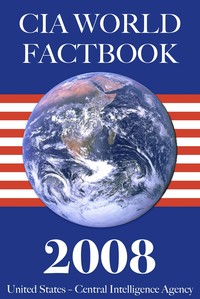
The 2008 CIA World Factbook by United States. Central Intelligence Agency
Let's be clear from the start: this is not a novel. There's no plot twist on page 307. Instead, The 2008 CIA World Factbook presents a different kind of story—the collective biography of 267 world entities as they stood at a single, pivotal moment. The 'plot' is the data itself. Each country gets a brutally standardized entry: geography, people, government, economy, communications, and military. It reads like the world's most thorough, slightly paranoid, checklist. From the GDP of Luxembourg to the coastline length of Chile, it's all here in stark, unemotional text.
Why You Should Read It
This is where the magic happens. Reading it now, with over a decade of hindsight, is a profoundly different experience than it was in 2008. The book becomes a ghost story. You see the 'stable' governments that would fall, the booming economies about to crater, and the demographic trends pointing directly at future crises. That dry entry on Syria or Ukraine takes on a haunting quality. It's not about the data it contains, but the context it lacks. You're not just learning facts; you're playing historical detective, looking for the cracks in the foundation that everyone missed. It turns passive information into an active, almost eerie, reflection on how we measure stability and how quickly it can vanish.
Final Verdict
This book is perfect for history nerds, current events junkies, and anyone who loves 'big picture' context. It's for the person who reads Wikipedia articles for fun and wonders how all the pieces fit together. It's also a fantastic resource for writers building fictional worlds—the structure is a masterclass in what defines a nation. It's definitely not a cover-to-cover read; it's a book to dip into, to compare entries, and to use as a launchpad for a hundred different rabbit holes. Approach it not as an answer book, but as a question book. It's one of the most thought-provoking reference guides you'll ever own.
No rights are reserved for this publication. It is available for public use and education.
Melissa Jones
1 year agoI have to admit, it manages to explain difficult concepts in plain English. Exactly what I needed.
Betty Anderson
1 year agoLoved it.

Barbara Jones
4 months agoComprehensive and well-researched.